






Reports indicate that during the 2008 recession private label sales went up - which is normal for a recession. In the past, once the economy began to recover, national brand sales picked back up, but this time, customers who "traded down" from national brands haven't abandoned private label products. Perhaps consumers are looking at them differently; in some cases, perhaps they are offering something national brands aren't.
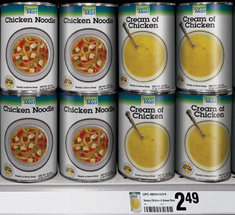 "This time, for a number of reasons, people are more accepting of private label," Jeff Weidauer, VP of marketing and strategy at shelf-edge marketing company Vestcom, tells The Shelby Report. "Private label has gotten better in terms of quality and just more focused efforts and greater resources by the retailers. We've seen private label (sales) increase, and we haven't seen them drop off yet."
Private label products have been a source of revenue for retailers and a source of value for shoppers for decades, and shoppers know a store brand from a national brand when they see one - until recently, that is. More grocers are leveraging premium private labels to combat lingering consumer perceptions about quality, and some have launched exclusive, premium-tier products that national brands just don't make.
But consumer misconceptions about private label products remain.
In a Market Force Information survey, of the 95 percent who said they buy private label dairy products regularly, 78 percent do so because of price, not quality or exclusivity. On the other hand, the 5 percent who said they don't buy private label products pointed to the same negative associations that the private label industry is trying to fight: 50 percent said they buy a national brand because they think it tastes better, and 23 percent said they thought it was high quality."If grocery brands can deliver on both price and taste," Janet Eden-Harris, CMO at Market Force, said, "they have a good chance at grabbing more private label market share."
A number of retailers have three tiers of private brands - a value brand, a national brand equivalent and a premium brand. According to Weidauer, the premium brand is one of the best places to use private label to increase sales and customer loyalty.
"When shoppers find something they really like, they have to go to that store to get it," Weidauer explains. "So that becomes a way of driving loyalty with shoppers. They can't get that product anywhere else."
While some stigma associated with private labels still exists, as store brands get better packaging, merchandising and products - and more shoppers try them - consumers are finding that private label no longer means lower quality for a lower price.
As more grocery chains add tiers of quality, several are opting to use the store name on the national brand equivalent, not the premium-tier brand. A premium product that doesn't read as a store brand seems to stave off consumer reservations about quality and add a note of exclusivity, Weidauer notes.
"The higher-end products, that premium tier, for the most part will tend to carry a different name (from the store's name)," he says. "In Kroger's case, it's called Private Selection. They've really tried to not play up the Kroger connection to that (product). It helps to build in the shopper's mind that it's a 'real brand,' if you will, and not a private label - which is a distinction that shoppers still tend to make, even if it's subconsciously. They might know it's Kroger's own brand, but they might think about if differently when they're buying it."
If shoppers believe that a private label brand is equal to the national brand in terms of quality, then a premium private label product could have an exclusive appeal, since it's only available in that store. The right merchandising and marketing can make those products destination purchases that shoppers put at the top of the list rather than something picked up impulsively. In addition, putting some space between the brand and the retailer could mean the shopper is more likely to pick up that premium product.
"If people don't necessarily think about it as being a private label," Weidauer says, "they're more likely to pay a little more for it. It has a little bit different place in the shopper's mind if they just think about this product as a national brand that's only available in this one store."
However, leveraging exclusivity through marketing and merchandising can be difficult since, as Weidauer points out, the difference between a national brand and private brand often is marketing dollars.
To get the word out about new products, he suggests doing low-cost marketing, such as a circular ads or social media featuring the product. He says not to worry about going too heavy in marketing outside the store, since "most people find out about new products while they're in the store anyway."
In terms of in-store merchandising, retailers have the advantage because it's their space, their store and their brand. They can do whatever they want: grant premium shelf space, change the packaging or the name, stick tags at the shelf edge, create a special brand just for Millennials or Hispanic shoppers - even have associates dance around in a starfruit costume during sampling. Within social customs, whatever gets shoppers to consider that premium product is fair game.

